Water Damage Restoration Help in Tampa
Noticed swelling trim, a ceiling stain, or water underfoot? Normallylazy Water Help connects homeowners with independent local providers to assess damage, explain options, and quote the proposed work.
No obligation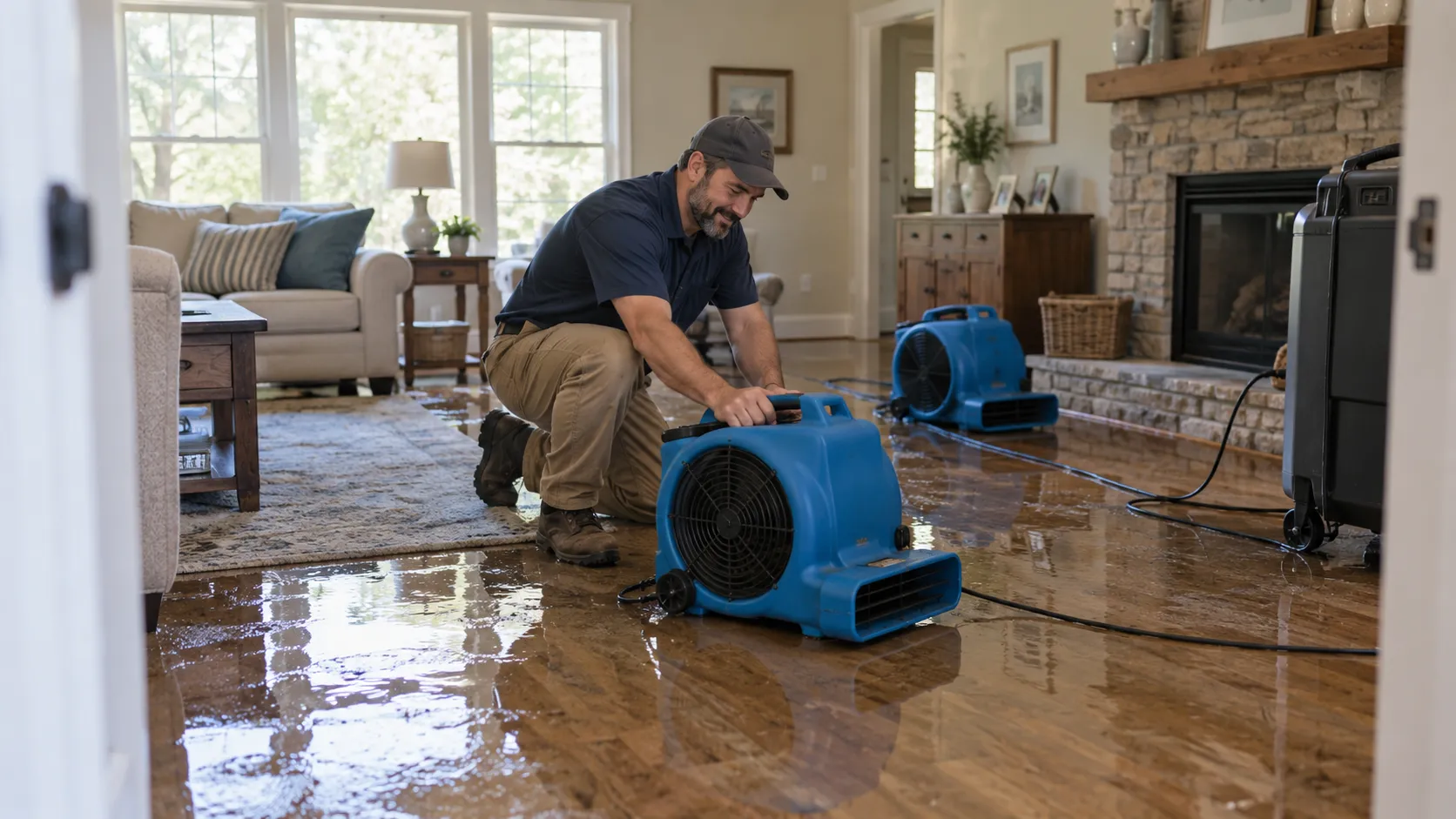
- Describe the damage before discussing repair costs
- Ask about hidden moisture checks
- Compare written scopes and quotes
- Check local provider availability
Service choices
The visible puddle may be only part of the job. Providers in our network offer Water Damage Restoration, Water Extraction & Structural Drying Services, and Flooded Basement Cleanup. Describe the damage so a local provider can discuss the appropriate scope.
Water Damage Restoration
A growing ceiling stain or soft baseboard is a reason to arrange a water damage restoration assessment.
Water Extraction & Structural Drying Services
Pooled water and damp walls need a closer look before hidden moisture adds to your repair bill.
Flooded Basement Cleanup
Basement water can hide a larger problem; Normallylazy Water Help connects homeowners with independent local providers to assess cleanup needs.
Why Choose Normallylazy Water Help?
Useful details come first
Describe the first warning sign, affected rooms, and recent changes so a local provider has a clearer starting point for your request.
Scope clarity
Ask what extraction, drying, removal, and repairs include. Written details make it easier to compare quotes that may cover different parts of the job.
Clear referral role
Normallylazy Water Help makes the connection. Your independent provider assesses the property, proposes the work, sets prices, and answers questions about the job before you approve it.
Budget questions
Discuss assessment fees, equipment charges, and possible added work early, so you understand how the final bill may differ from the starting estimate.
1. Record Visible Changes
From a safe place, note affected rooms, changing marks, and when you first noticed the damage.
2. Request a Provider Connection
Share your concerns with Normallylazy Water Help to discuss a connection with an independent local restoration provider.
3. Review the Proposed Written Scope
Ask the provider about affected materials, repair boundaries, exclusions, and how added work is approved.
4. Keep Your Project Records
Save estimates, approved changes, photographs, and invoices so you can track decisions through project completion.
Need help in Tampa?
Describe the damp spot, leak, or standing water in the request form to request an estimate from a local provider. Request a callback to check availability with providers in our network serving the Tampa Bay area.
Catch the change before costs grow
A door that starts sticking after a leak may seem like a small nuisance. So can a dark grout line or paint that bubbles near the floor. These changes can point to moisture beyond the spot you can see. Getting the area assessed helps you understand the problem before choosing repairs.
Normallylazy Water Help is a referral service for homeowners in Tampa. We connect you with independent local water damage restoration providers. The provider evaluates the property, recommends work, and supplies the estimate. Normallylazy Water Help does not perform restoration.
Start with a few useful details: where the water appeared, when you first noticed it, whether it is spreading, and which rooms are affected. Photos taken from a safe spot can help explain the change. You do not need to know the full repair plan before asking for an estimate.
If you need to discuss new damage, Request a callback to check provider availability. Ask what an assessment includes and whether any visit or inspection charges apply. A clear first conversation gives you a more useful starting point for your budget.
Clear decisions
Start with the change you noticed
You may know exactly what happened: a supply hose split, or rain came through the roof. Other times, the first clue is a soft patch beside a cabinet. Tell the provider what changed without trying to diagnose it. That keeps the conversation focused on what needs checking.
Know who handles each step
Normallylazy Water Help handles the referral connection. Providers in our network operate independently and decide which jobs they can accept. Your provider discusses access, assessment, proposed work, scheduling, and payment terms with you. Ask the provider directly about qualifications and experience with the type of damage in your home.
A referral does not establish the cause of a leak or set a repair price. Those details depend on the property and the provider's findings. Before work starts, confirm which business is supplying the quote and carrying out the job.
Read the scope beside the price
Two estimates can look far apart because they describe different work. One may include removing wet material, while another covers extraction and drying only. Ask whether equipment, moisture checks, disposal, and later repairs appear as separate items. Confirm whether charges depend on equipment rental days or measured drying progress.
The smaller total may leave out work you still need. The larger total may include repairs you have not discussed. Comparing the written scope helps you ask fair questions about both.
Plan for findings along the way
Hidden moisture can change a job after an assessment. Ask how the provider handles added work and when your approval is needed. Keep a copy of the original quote, any changes, and the final invoice.
If you plan to contact your insurer, check your policy yourself. Some policies may cover sudden damage; the cause and policy terms matter. Providers can often help document damage for a claim, but claim decisions belong to the insurer. Keep repair decisions and coverage questions clear in your records.
Local details shape estimates
Normallylazy Water Help helps connect homeowners in Tampa, FL, and the Tampa Bay area with independent local providers. Share your property location when requesting an estimate so availability and travel details can be checked for your address.
Homes across Florida can face different moisture problems, even within the same neighborhood. Frequent summer storms can reveal roof leaks. High humidity can make damp rooms harder to dry. Hurricane season, from June through November, also makes it useful to notice changes after heavy rain.
In a concrete block home on a slab, moisture may show up along trim, cabinets, or flooring. A tile or shingle roof can allow water to appear indoors away from the entry point. Tell the provider which surfaces look wet and where the signs first appeared.
Basements are uncommon in many local homes, but below-grade spaces need their own cleanup plan when they flood. Condo owners should also explain which rooms are affected and whether building management is involved. Access rules and shared building systems may affect the proposed work.
Include the property type and affected rooms with your request. For a conversation about new damage, request a callback to check provider availability. Scheduling, travel charges, and job acceptance vary by provider.
Notice more than the puddle
When a mark keeps changing
A stain that grows after rain gives you useful information. So does a patch that fades and returns. Note when the change happens and take dated photos if safe. A provider can use that history alongside an inspection; the mark alone does not show the full extent.
During the first few hours
Water can move under flooring and into nearby materials before the surface looks badly damaged. Tell the provider when the water appeared and whether the source is still active. Emergency water damage repair needs depend on the source, affected materials, and conditions inside the home.
What changes over the next days
Trim may swell, flooring may lift, and odors may become noticeable as dampness continues. There is no single drying schedule for every house. Humidity, airflow, material thickness, and trapped water all matter. Ask how the provider will check progress instead of relying only on how a room feels.
Extraction tackles the standing water
Water extraction removes standing water using equipment chosen for the job. It can be an early part of restoration, but it does not prove that walls or floors are dry. Ask which areas need further checks and whether the quote includes work beyond the visible water.
Drying needs a clear endpoint
Structural drying addresses moisture held in building materials. A provider may propose air movement, dehumidification, and repeat moisture checks. Ask what readings support the plan and what conditions must be met before equipment comes out. This helps explain equipment charges and any change in the drying period.
Small rooms can hide larger costs
A narrow kitchen leak can reach behind cabinets or under adjoining flooring. A bathroom problem may affect a wall shared with another room. The affected floor area is only one price factor. Access, material removal, and later rebuilding can change the written scope quite a bit.
Keep basement questions specific
For flooded basement cleanup, describe whether water remains and what it may contain. Ask how the provider will handle affected contents, wall materials, and drying. Water from outside or a drain may require a different approach from a clean supply leak. Let the provider assess those conditions.
Build a record while deciding
Keep photos, estimates, and notes about changes together. If dampness or a musty odor returns after earlier work, share that history. Ask whether the proposed price covers drying, repairs, or both. A useful quote should make those boundaries easy to understand.
Describe your damage
Tell us where you noticed water, when it appeared, and which rooms have changed. Normallylazy Water Help can connect you with an independent local provider to discuss an assessment and estimate.
Prefer to talk through new water damage or a possible mold concern? Request a callback to check provider availability. Ask about assessment charges, the proposed scope, and written pricing before agreeing to work. The provider sets appointment times and explains the next steps for your property.
Questions before choosing work
Does a small ceiling stain need a water damage assessment?
A small stain can have a larger moisture source, especially if it grows, returns after rain, or comes with bubbling paint. Describe those changes to a local provider. An assessment can help identify affected areas and whether drying or repairs should be considered before you set a budget.
How do I compare water damage restoration estimates?
Compare the written work descriptions as well as the totals. Check extraction, equipment rental, moisture checks, material removal, disposal, and repairs. Ask what is excluded and how added work gets approved. Different scopes can explain a large price gap between two quotes.
Does Normallylazy Water Help do the water damage restoration work?
No. Normallylazy Water Help is a referral service that connects homeowners with independent local providers. The provider assesses damage, recommends services, supplies pricing, and performs agreed work. Confirm the provider's business details and ask for a written quote before approving the job.
How long does structural drying take after water extraction?
The drying period depends on the materials, water spread, indoor humidity, and access to wet areas. Removing standing water is one step. Ask the provider how moisture will be measured and what findings determine when the drying equipment can be removed.
Can I request help for new water damage and possible mold?
Yes. Describe the new damage and any visible growth or musty odor when requesting a referral. Ask whether the provider handles that concern and what assessment is needed. Service availability and the proposed work vary by provider.
Normallylazy Water Help Is Proud To Serve the Tampa Bay area
Reach a local provider
Describe the damp spot, leak, or standing water in the request form to request an estimate from a local provider. Request a callback to check availability with providers in our network serving the Tampa Bay area.
No obligation